












Tropical coastal regions are home to an extraordinary combination of colorful plants and fascinating marine wildlife. A journey through these environments can bring together fragrant flowers, lush vegetation, mangrove forests and encounters with dugongs grazing in shallow coastal waters.
Tropical Flowers and Coastal Landscapes
Warm climates support an enormous variety of flowering plants. Hibiscus, orchids, frangipani and bougainvillea are just some of the species that can add brilliant colors to tropical gardens and natural landscapes. In many destinations, flowers are closely connected with local traditions, festivals and everyday life.
Exploring botanical gardens, coastal paths and nature reserves is an excellent way to discover this side of a tropical destination. The best experiences often combine flowers with other natural features such as beaches, lagoons, forests and mangroves.
Where to Look for Dugongs
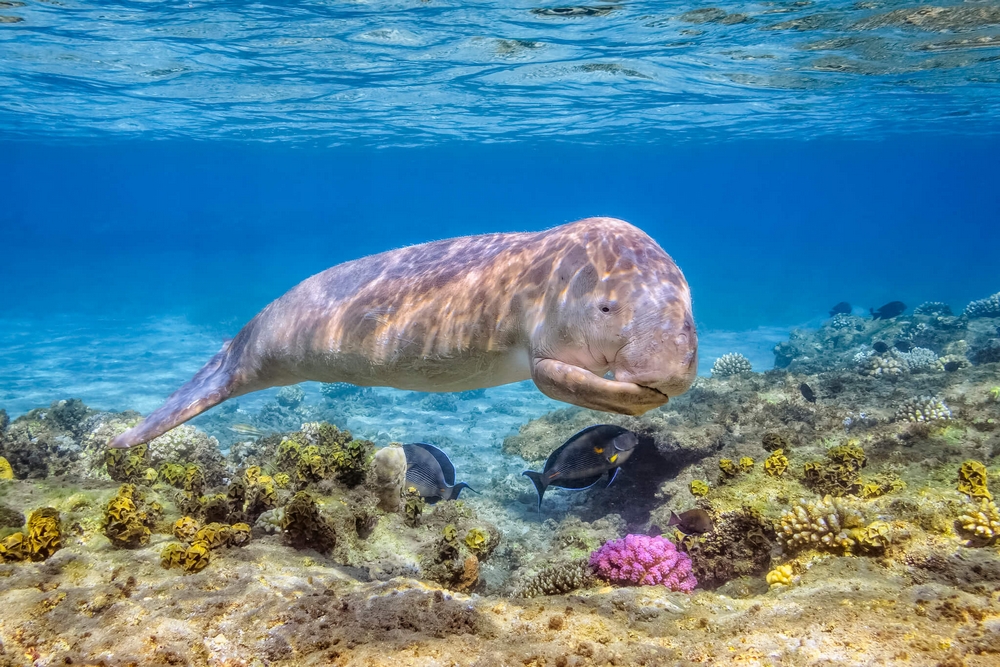
Dugongs are large marine mammals related to manatees and are found in warm coastal waters of the Indian and western Pacific oceans. They feed mainly on seagrass and therefore depend on healthy shallow-water ecosystems.
Seeing a dugong in the wild is a special experience, but these animals can be difficult to spot. Boat trips with responsible wildlife operators may provide opportunities to observe them from a respectful distance. Snorkeling and diving can also reveal the seagrass habitats that support them.
Travelers should avoid chasing or touching marine animals and follow local conservation regulations. Combining botanical attractions with responsible marine wildlife watching offers a fascinating way to explore tropical nature from both land and sea.