








James’s flamingo is one of the most distinctive birds of the high Andes. Also known as the Puna flamingo, it lives in some of the most remote and spectacular landscapes of South America. Watching these elegant birds in their natural environment is a memorable experience for travelers interested in wildlife, photography and unusual destinations.
Where to See James’s Flamingos
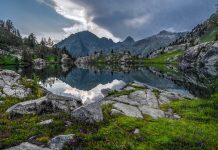
James’s flamingos can be found around high-altitude lakes and salt flats in parts of Bolivia, Chile, Peru and Argentina. These remote wetlands provide ideal feeding grounds, where the birds search for microscopic organisms and algae in shallow water. Some of the best opportunities for flamingo watching are found around the highland lagoons of the Altiplano.
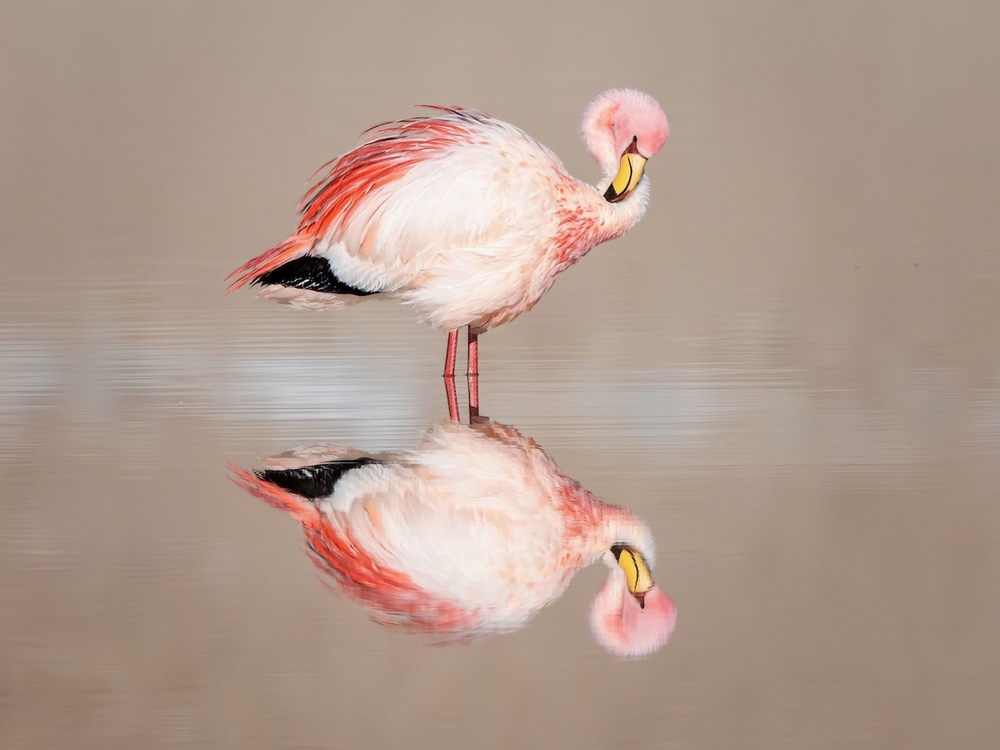
The birds are relatively small compared with some other flamingo species and are recognizable by their pale pink plumage, dark-tipped bills and bright legs. Large groups can sometimes gather around lagoons, creating spectacular scenes against a background of volcanoes, mountains and desert landscapes.
Tips for a Responsible Wildlife Experience
Because James’s flamingos inhabit fragile high-altitude ecosystems, visitors should keep a respectful distance and avoid disturbing feeding or nesting birds. Binoculars and a camera with a telephoto lens are useful for observing them without getting too close.
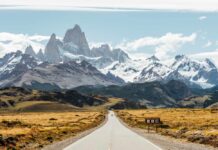
The best time for wildlife photography is often early in the morning or later in the afternoon, when the light is softer. A trip to see James’s flamingos can easily become part of a larger Andean adventure combining remote lagoons, salt flats, volcanoes and traditional mountain communities.