








Ayahuasca has become internationally associated with Peru, where the traditional preparation and ceremonial use of the plant-based brew form part of Indigenous and mestizo cultural practices. For travelers, exploring ayahuasca tourism can offer an introduction to Amazonian traditions, spirituality and local ways of understanding nature.
Ayahuasca Traditions in Peru
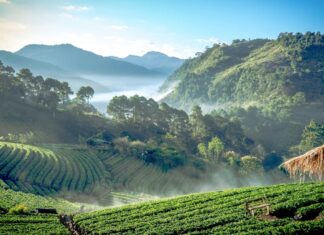
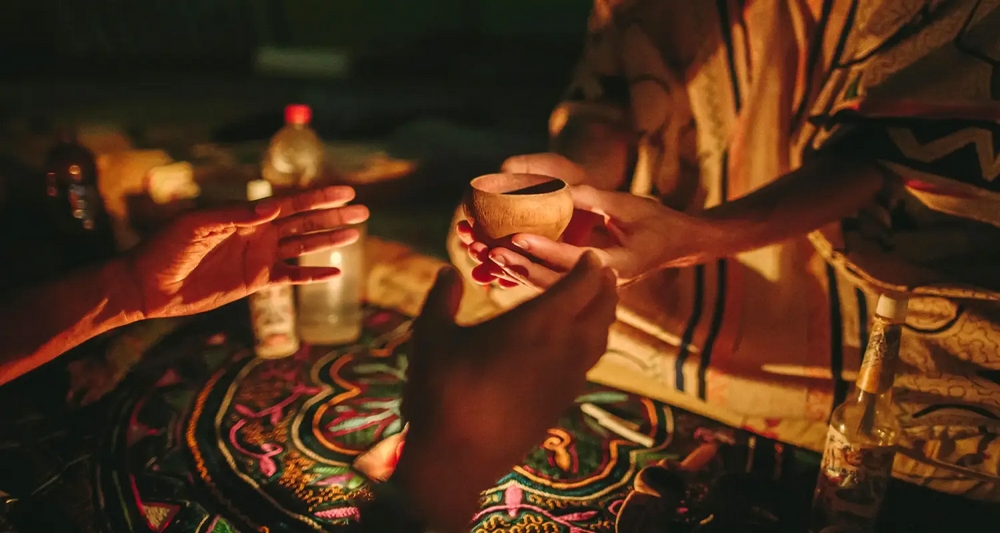
Ayahuasca is traditionally prepared from Banisteriopsis caapi combined with other plants. Ceremonial practices vary considerably between communities and practitioners. In Peruvian Amazonian regions, particularly around Iquitos and other rainforest destinations, visitors can encounter retreats and traditional ceremonies.
The experience is not simply a tourist attraction. Ayahuasca ceremonies may involve singing, ritual preparation, dietary restrictions and guidance from an experienced practitioner. Traditions differ between communities, so travelers should research the cultural background of any retreat carefully.
Responsible Ayahuasca Tourism
Anyone considering an ayahuasca experience should treat it as a serious cultural and physical experience rather than an ordinary excursion. Travelers should check the credentials and reputation of retreat organizers, understand what a ceremony involves and disclose relevant medications or health conditions to qualified professionals beforehand.
Peru offers many other ways to discover Amazonian culture without participating in a ceremony. Guided rainforest excursions, Indigenous community visits, wildlife observation and traditional cuisine can provide meaningful experiences.
For travelers interested in ayahuasca in Peru, responsible tourism means respecting local traditions, choosing reputable providers and approaching the subject with cultural sensitivity rather than treating an ancient practice simply as an exotic adventure.