















Discover the archaeological treasures of Corfu, from ancient Corcyra and Roman remains to temples, fortresses and historic sites that reveal the island’s fascinating past.
Ancient Corcyra and the Roots of Corfu
Corfu is famous for its beaches and green landscapes, but the island also has a remarkable archaeological heritage. Ancient Corcyra was founded by Corinthian colonists around the 8th century BCE and developed into an important city-state. Today, the area known as Paleopolis preserves remains of the ancient settlement, including parts of its classical and Roman-era buildings.
Near Paleopolis and the Mon Repos estate, visitors can find the remains of the Kardaki Temple, one of the best-preserved ancient Greek structures on Corfu. Roman remains can also be seen in the area, including ancient baths and traces of Roman villas. These archaeological sites provide an opportunity to explore Corfu beyond its traditional beach resorts.
Temples, Fortresses and Historic Landscapes
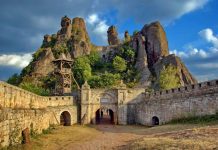
Corfu’s heritage extends beyond the ancient Greek period. Archaeological and historic attractions across the island reflect Byzantine, Venetian, French and British influences. The Old Fortress, medieval remains and historic churches illustrate the strategic importance of Corfu in the Ionian Sea.
Travellers interested in archaeology can combine a visit to Paleopolis with other historic locations around the island. Roman remains have been identified in areas such as Moraitika, Benitses and Acharavi, while castles and fortifications offer further insight into Corfu’s medieval history.
Exploring these sites turns a beach holiday into a cultural journey through several thousand years of Mediterranean history. For visitors searching for ancient ruins in Corfu, the island offers a surprisingly diverse collection of archaeological and historical treasures.